Bedding · Adjustable beds
Latex Mattress Toppers on Articulating Bases: Fit, Flex, and Care
A latex topper can bring a mattress closer to the comfort you want. On an adjustable bed, however, the details matter: thickness, flexibility, grip and care all influence how neatly the layers respond when the head or foot of the bed rises.
A softer surface, with a little more choreography
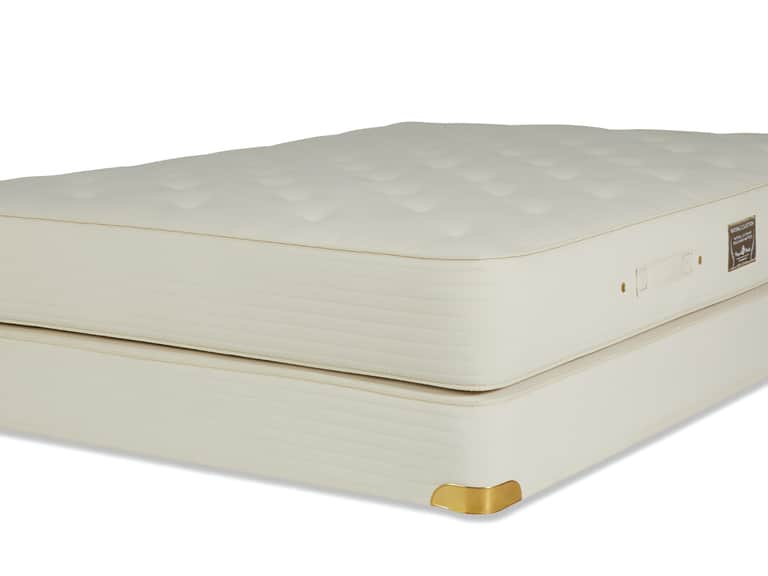
A mattress topper is a relatively simple way to alter the feel of a sleep surface without replacing the mattress beneath it. Latex is often chosen for its springy, responsive quality: rather than settling slowly around the body, it tends to compress and rebound readily. That can make it an appealing comfort layer for people who want cushioning without losing a buoyant feel.
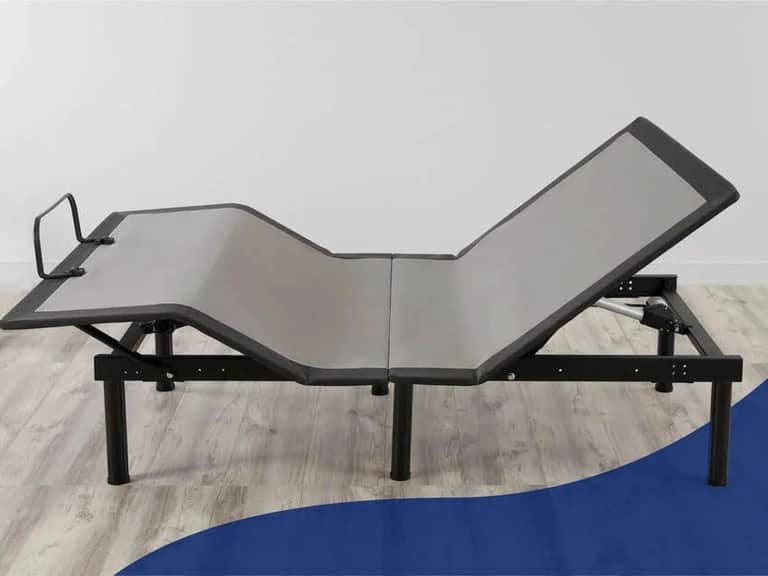
Introduce an articulating base, and the arrangement becomes more dynamic. The base changes shape as its head and foot sections move, asking the mattress—and every layer above it—to bend in concert. A topper that lies beautifully on a flat bed may behave differently when elevated. It might shift, wrinkle, lift at an edge or feel less settled in one of the bed’s preferred positions.
That does not mean latex toppers and adjustable beds are an incompatible pairing. It means the complete sleep surface should be considered as a system. The topper, mattress, cover and base each contribute to how smoothly the bed moves. Compatibility, rather than material alone, is the quiet foundation of a comfortable result.
This guide explores what to check before adding a latex topper to an adjustable bed, how to assess fit and flexibility, and how to care for the layers once they are in use. The aim is practical: a surface that feels considered when flat and remains composed when the bed changes position.
Start with the base and mattress
Before comparing topper thicknesses, identify the adjustable base and mattress you already have—or the models you are considering. Check the manuals and manufacturer guidance for both. A base maker may specify mattress types, dimensions or weight limits; a mattress maker may outline whether the construction is intended to flex on an articulating foundation. These recommendations are more useful than a broad claim that a material is “adjustable-bed friendly.”
Look closely at the mattress construction. A mattress designed to articulate is generally intended to flex with the base, but individual designs differ. Innerspring, foam, latex and hybrid mattresses may respond differently depending on their internal structure, thickness and flexibility. A dense, firm or especially thick mattress can behave differently from a more pliable model, even when both are marketed for use on adjustable bases.
Then consider the topper as an additional layer—not as a way to correct every issue in the mattress below it. A topper can change surface cushioning and feel, but it cannot make an incompatible mattress or base combination suitable. Nor should it be expected to resolve a mattress that is sagging, damaged or otherwise no longer providing consistent support.
Dimensions deserve the same attention. Confirm that the topper matches the mattress size and shape, particularly for split configurations. In a split king arrangement, for example, each side may articulate independently. A single topper spanning both sides could bridge the moving sections and resist their separate motion. Check the specific design and manufacturer instructions before choosing a one-piece or divided layer.
Thickness: less about a number, more about movement
Thickness can affect how a latex topper bends, how it sits on the mattress and how much it changes the feel of the bed. There is no universal thickness that works best on every adjustable base. The right choice depends on the flexibility of the topper and mattress, the movement range of the base, the fit of the bedding and the comfort change you are seeking.
A thinner topper may be easier to move with the mattress, but it may offer a subtler change in surface feel. A thicker layer can create a more noticeable cushion, yet its added depth may also make the full bedding stack heavier or more prone to shifting. Thickness alone does not tell the whole story: the latex formulation, density, construction and cover all influence how a topper responds when bent.
Think about the way the bed will actually be used. If you often raise the head and foot sections, the topper will be asked to follow those transitions regularly. If the bed is mostly kept flat, articulation may be a less frequent consideration—but compatibility remains important. In either case, avoid assumptions based solely on a product name or a general description. Look for explicit guidance about use on adjustable foundations, and contact the manufacturer if the information is unclear.
It can help to assess the whole height of the sleep surface. A topper raises the mattress profile, which may affect fitted-sheet depth, the way bedding stays in place and how the surface feels when entering or leaving bed. It may also alter how the mattress responds when the bed is elevated. Make note of the mattress height, topper height and available sheet depth before settling on a configuration.
Flexibility, fit and the language of compatibility
For an adjustable bed, flexibility is not simply a matter of whether a material feels soft by hand. The relevant question is whether the topper can follow the bed’s articulation without folding awkwardly, pulling against its cover or separating from the mattress. A layer may feel pliable in a showroom and still behave differently once it is placed over a heavier mattress and moved through a range of positions.
Ask the topper maker whether the specific model is suitable for an articulating base, and whether there are limits on the base’s movement or on the mattress beneath it. If the topper has a removable cover, review whether the cover is designed to stretch and move with the latex. A tight, non-stretch cover may constrain the surface even when the latex itself is flexible. Construction details matter: layers, quilting, seams and fabric tension can all affect how the topper behaves.
Fit also depends on how securely the topper rests on the mattress. A correctly sized layer with a stable, even surface is less likely to wander than one that overhangs, bunches or is compressed unevenly. Check that corners align and that the topper is not being pulled into position by a sheet that is too shallow. A sheet can help hold bedding in place, but it should not be so tight that it restricts the mattress’s movement.
One adjustable-base option listed on this site is the Adjustable Base 2023, described as having a wireless remote, position presets and flexible setup options. Its description notes compatibility with Casper mattresses. That statement should not be read as confirmation that every latex topper or mattress combination is suitable; verify the exact mattress and topper requirements with the relevant manufacturers before assembling a sleep system.
Securing a topper without restricting the bed
Keeping a topper aligned is important, but the method should not interfere with articulation. Start with the simplest approach: a properly sized topper, an even mattress surface and a fitted sheet with enough depth to accommodate both layers. After arranging the bed, raise and lower the sections slowly and observe whether the topper remains centred.
Some toppers come with a cover or corner straps; others rely on the fitted sheet and the friction between layers. Follow the product instructions rather than adding an improvised restraint. Avoid tying, pinning or fastening the topper to the adjustable mechanism, moving deck or bed frame. Anything that crosses a hinge, motor area or moving joint can obstruct motion or create a safety concern.
Non-slip pads or extra straps may be suggested in general bedding advice, but they are not automatically appropriate for every mattress and base. If you are considering an accessory, check with the base and topper manufacturers first. Confirm that it will not catch in the mechanism, prevent the mattress from flexing, damage the cover or affect a warranty.
For split bases, pay particular attention to the seam between the two moving sides. A topper or securing method that joins independent sections can limit their separate movement. The base instructions should clarify whether each side is intended to move independently and what bedding arrangements are compatible. If separate adjustment is important, the layers should not bridge the division in a way that prevents it.
A measured fitting routine
Once the manufacturers’ guidance confirms that the intended combination is suitable, take a calm, methodical approach to setup. Begin with the bed flat and unplug or isolate power only if the base instructions call for it during bedding adjustments. Remove loose items from the bed, then place the topper squarely on the mattress. Align its edges before adding a sheet or protective layer.
Operate the base through its available positions gradually, following the manual. Watch the topper’s edges, the mattress surface and the bedding as the head and foot sections move. Look for lifting, creasing, sliding or tension at the corners. Return the bed to flat between checks if anything seems caught or strained. Do not reach under the bed or near moving parts while the mechanism is operating.
Try the positions you are most likely to use, rather than testing only the most dramatic incline. The movement that matters is the movement that will be repeated in everyday life. If the surface stays aligned through those adjustments, make a note to check it again after a few nights, when normal use has had time to reveal small shifts.
If the topper repeatedly migrates, stop and reconsider the setup. Confirm the size, sheet fit, mattress compatibility and any manufacturer instructions. A persistent problem may signal that the chosen topper or bedding arrangement does not suit the base. Continuing to tighten sheets or add restraints without checking the cause may create new problems rather than solve the original one.
Signs of bunching, slipping or strain
A smooth sleep surface should remain reasonably even as the base moves. Noticeable folds, ripples or ridges may indicate that the topper is shifting or that its cover is resisting the bend. A corner that lifts can point to a size mismatch, poor alignment or an attachment method that is not working as intended. A visible gap between topper and mattress is another reason to pause and inspect the layers.
Pay attention to repeated changes in how the surface feels. If one area becomes uneven after articulation, or the topper no longer sits in the same position, check whether it has migrated. Also listen for unusual strain from the base and look for bedding caught near the frame. Stop operating the bed if anything appears trapped or if the mechanism is not moving normally; consult the base manual or manufacturer for next steps.
Not every small wrinkle means there is a problem. Bedding naturally shifts with use, and sheets can crease without affecting the topper or mechanism. The useful distinction is whether the latex layer itself is buckling, slipping or being pulled as the bed moves. A quick inspection after changing positions can help separate ordinary sheet movement from a fit issue.
- Check that the topper remains centred and does not overhang the mattress.
- Look for folds in the latex or its cover after raising and lowering the base.
- Make sure fitted sheets are deep enough without being excessively tight.
- Confirm that straps, cords or accessories are clear of moving parts.
- Review the base and topper instructions if shifting continues.
Care that respects both latex and mechanics
Care instructions vary by topper, so the product label and manufacturer’s guidance should take precedence over general advice. Some covers can be removed and washed; others are intended for spot cleaning only. Latex itself may require different handling from its fabric cover. Avoid soaking, harsh cleaning agents or high heat unless the maker specifically permits them.
When cleaning or repositioning the topper, follow the adjustable-base manual. If the instructions call for disconnecting power before maintenance, do so as directed. Keep liquids away from electrical components and motors, and do not clean the frame while it is moving. Allow any cleaned fabric to dry fully before remaking the bed, as trapped moisture can affect the sleep surface and bedding.
Rotate or reposition a topper only if its maker recommends doing so. Some designs are not intended to be flipped, and a topper with a designated top surface should remain correctly oriented. When moving a latex layer, support it evenly and avoid pulling sharply on a corner or cover seam. The aim is to reduce unnecessary strain on the material, not to force it into a bend beyond the base’s normal movement.
Regularly inspect the arrangement: topper edges, cover seams, fitted-sheet tension and the clearance around the base. Keep the area under and around the bed free of objects that could interfere with movement. If the base needs service or makes an unfamiliar sound, follow its troubleshooting guidance rather than attempting a repair while it is powered.
Comfort is personal; compatibility is specific
A latex topper can be part of a thoughtful bedding arrangement, but the resulting feel is individual. Body shape, sleep position, mattress firmness and the angle of the bed all influence how a person experiences the surface. A configuration that feels comfortable to one sleeper may not suit another. If you share a bed, consider whether one topper will meet both people’s preferences, especially when the base has independently moving sides.
It is also useful to separate comfort questions from medical ones. An adjustable bed changes position; it does not by itself diagnose or treat a health condition. If you are considering a raised sleeping position for a medical reason, or have specific mobility needs, ask a qualified healthcare professional for guidance appropriate to your circumstances. For equipment operation and mattress compatibility, consult the manufacturers.
Before purchasing a topper, make a short checklist: confirm the base and mattress are compatible; ask whether the topper is recommended for articulation; compare thickness and cover construction; check sizing, especially for split systems; verify fitted-sheet depth; and understand the care instructions and return terms. A clear answer to each question is more valuable than a promise of universal suitability.
The finishing touch to an adjustable bed
The most successful adjustable-bed setup has an understated quality: the layers move without drama, the surface stays smooth, and the chosen position feels natural to use. A latex topper may contribute responsive cushioning, but its performance depends on the mattress beneath it and the base that supports the whole arrangement.
Choose with the full system in mind. Give priority to specific compatibility guidance over assumptions, let the topper move freely with the mattress, and secure it only in ways approved for the equipment. Then keep an eye on alignment and follow the care instructions. The result is not simply a softer bed, but a better-considered sleep surface—one that can flex with the base and remain composed through everyday use.
Quick questions
Can you use a latex topper on an adjustable bed?
It may be possible, but suitability depends on the specific topper, mattress and base. Check all relevant manufacturer guidance before use, especially for restrictions on articulation or split configurations.
Does a thinner latex topper always work better?
No. Thickness is only one factor. Flexibility, cover construction, mattress design and base movement also matter. Compare the complete combination rather than choosing by thickness alone.
How can I stop a topper from sliding?
First check that it is correctly sized and centred, and that the fitted sheet accommodates the full bedding depth. Use straps or other accessories only if the relevant manufacturers approve them and they cannot interfere with the base.
What should I do if the topper bunches when the bed moves?
Stop and inspect the fit, cover tension and bedding arrangement. Check the manuals and contact the manufacturer if the issue persists. Do not attach the topper to the moving mechanism or continue operating the bed if anything is caught.