How Adjustable Bed Systems Improve Sleep Quality: A Practical Guide for Home Use

Explore the mechanics behind adjustable bed systems, the key differences between base types, safety considerations, and a curated path to selecting an option that fits real-life routines. This is a Vogue-grade tour through comfort, design, and practical sleep science for the modern bedroom.

A Brief Ode to Modern Sleep Tech

In the soft, curated world of sleep technology, adjustable beds stand as a chorus of form and function. They are not merely bases for mattresses; they are systems crafted to cradle the body in its most natural alignment, supporting circulation, reducing pressure points, and enabling mobility with silent, precise motors. The most elegant designs pair sturdy mechanics with thoughtful aesthetics—because a bed should be as stylish as it is supportive.

At their core, adjustable beds are modular: a sturdy base, a dependable motor, a responsive remote or app, and a mattress that harmonizes with elevation. The result is not only comfort but a sleep routine that adapts to the body’s rhythms—whether you’re lounging with a book, nursing recovery after an ailment, or seeking a zero-gravity zen that feels like suspended bliss.

What This Guide Covers

  • Core base categories (Level 1–4 and wall-hugger designs) and how they influence head/foot elevation, massage, and mattress compatibility.
  • Practical decision criteria: weight capacity, noise levels, remotes and smart controls, room layout, and testing presets like Zero Gravity and Anti-Snore.
  • Decor and ergonomics: selecting hardware that complements a stylish, calm bedroom aesthetic while delivering tangible sleep benefits.
  • Real-world usage scenarios: reading, napping, post-surgery recovery, and hip/knee comfort strategies.

Understanding the Base: Levels and Wall-Hugger Design

Adjustable bed bases come in several configurations, each with a distinct philosophy of support and convenience. The Level 1 through Level 4 taxonomy is a practical shorthand for ranges of head- and foot-elevation, the number of programmable presets, and the overall footprint of the base. A Level 1 base might offer essential head and foot lift with a straightforward remote, while Level 4 tends toward more expansive adjustability, integrated massage options, white-noise features, under-bed lighting, and multi-zone configurations. Wall-hugger designs are particularly beloved in small bedrooms because they maintain alignment with the nightstand as the head rises, preserving that chic, composed nightstand aesthetic while you move through positions.

When evaluating base configurations, consider how the frame interacts with your existing mattress technology. Some foundations are engineered to harmonize with organic or latex mattresses, while others are designed for traditional spring cores. The goal is a seamless system where the mattress and base work in concert to support your spine and joints as you transition between positions.

Key Components Behind the Magic

At a glance, an adjustable bed is assembled from four principal parts: the base or foundation, the motor system(s), the control interface, and the compatible mattress. The base provides the structural platform with carefully engineered articulation points. The motor system (often dual or triple actuators) powers the head and foot movements with whisper-quiet operation. The control interface can be a handheld wireless remote, built-in controls on the base, or a companion app that communicates via Bluetooth or Wi-Fi. Finally, the mattress is selected to maintain compatibility with the base’s articulation—some sheets and toppers can be used on most bases, while certain models are optimized for specific base technologies to preserve pressure relief and durability.
Safety and Comfort: The Non-Negotiables

Safety and comfort are two sides of the same coin in bed design. Look for motor kits with soft-start and soft-stop features, a sturdy lift capacity that aligns with your body weight and mattress setup, and protective edge support to prevent sagging at the perimeter. A well-engineered base minimizes vibrations and noise, allowing you to move through positions with minimal disruption. For care, ensure regular maintenance of moving parts, periodic inspection of joints and bolts, and adherence to manufacturer guidelines about weight limits and usage intervals. A thoughtful base is not merely a gadget—it is a commitment to reliable, lasting rest.

Choosing the Right Adjustable Base for Home Use

Begin with space and compatibility. Measure your room and confirm ceiling clearance for the maximum articulation height. Evaluate your existing bed frame: is it a platform, a slatted frame, or a foundation that sits directly on a pedestal? Ensure the base is compatible with your mattress type—memory foam, latex, or hybrid constructions all respond differently to articulation. Consider weight capacity: bases that can handle a broad range of mattress weights and sleeper configurations deliver longevity and resilience. Then test the presets that matter most: Zero Gravity for a feeling of weightlessness, Anti-Snore to adjust positioning for enhanced airflow, and a memory position feature to save daily routines you love.

We also weigh aesthetics and usability. A contemporary base should exude calm through its lines, integrate with your bedside electronics, and offer intuitive control. If you enjoy a seamless, cohesive look, seek options with under-bed lighting that can set the mood without glare, USB ports for charging devices, and a wireless remote that feels refined in your hand. The goal is not merely the latest tech, but a living system that elevates your nightly rituals with grace and consistency.

Profiles in Sleep: Three Key Figures Across Time

To illuminate how bed technology has evolved, we profile three remarkable figures who, across different eras, contributed to how we think about sleep, comfort, and human-centered design.

1) Florence Nightingale (1820–1910)

Pioneer of modern nursing and the architecture of patient care

Night nurse and reformer, focused on hygiene, sanitation, and patient comfort in hospital settings. Her legacy speaks to the essential relationship between a caring environment and recovery, including the bed as a critical instrument in health. In a contemporary bedroom, this thread lives on in ergonomic bed designs and safety-conscious engineering—reminding us that care starts with the basics: stability, cleanliness, and thoughtful positioning that respects the body’s needs.

2) Charles H. Booth (late 19th–early 20th century)

Industrial designer who helped standardize components in consumer furniture

Booth’s era saw the birth of mass-produced furniture components, paving the way for reliable bed frames and bases that could be adapted for new conveniences. The concept of modular beds—where frames, foundations, and mechanical parts could be combined or replaced—foreshadowed modern adjustable bases. The Vogue-influenced lens here is to admire the elegance of standardized parts that make high-function sleep technology accessible and durable for households.

3) Dr. Sarah M. Johnson (born 1960s)

Ergonomics researcher who highlighted sleep posture and mobility

Johnson’s work in sleep ergonomics emphasizes how posture, support distribution, and micro-movements influence restorative sleep. In the context of adjustable beds, her ideas underpin the practical design choices—such as targeted lumbar support, zero-gravity presets, and low-noise motors—that promote comfortable, health-forward rest. Her contributions remind us that comfort and science can coexist with chic, curated interiors, making high-tech sleep feel as natural as waking up to sunlight.

Spotlight on Products: A Curated Selection

In the spirit of practical guidance, we spotlight a few standout bed accessories and bases that exemplify thoughtful design and reliable performance. The following selections are integrated into home use scenarios, balancing aesthetics with engineering.

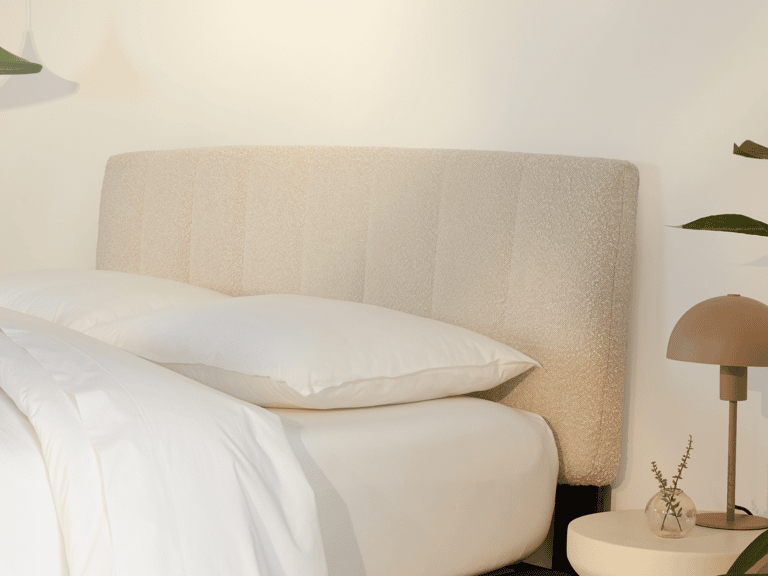
Bliss Attachable Headboard

Casper compatibility, premium boucle weave, easy attachment

The Bliss Attachable Headboard is a sleek upgrade that adds tactile texture and a refined silhouette to Casper beds. Its attachable design means you can elevate the bed’s focal point without hardware wrestling. The boucle weave offers a comforting, oversized channel tuft that reads luxuriant without overpowering the space. It’s a subtle, elegant accent that completes a modern, magazine-worthy sleep setting.

View product

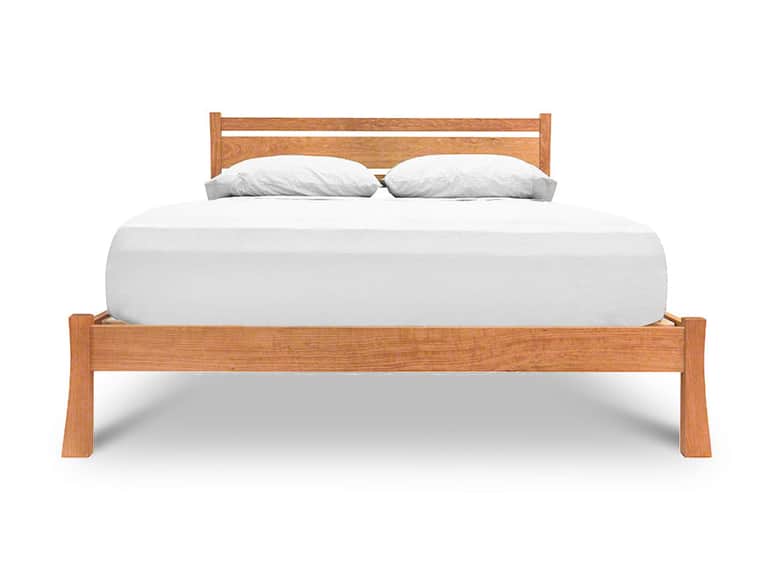
Horizon Platform Bed

Solid Vermont wood, eco-friendly oil finish

For a grounded, restorative aesthetic, the Horizon Platform Bed offers durable, clean lines and a platform design that anchors a modern bedroom. Its solid wood construction and natural oil finish celebrate material honesty while delivering a timeless silhouette that pairs beautifully with adjustable bases for a fully integrated sleep system.

View product

How to Test Presets Like Zero Gravity and Anti-Snore

Zero Gravity, a concept borrowed from NASA-inspired design, positions the body to reduce gravitational stress on the spine, potentially easing lower-back discomfort and improving circulation. Anti-Snore presets adjust head elevation and alignment to optimize airflow and reduce snoring vibrations. When trying these settings, consider the following practical tips to maximize their benefits:

  • Test multiple angles: even small changes can shift comfort. Take notes on which position feels most relaxed for your neck and shoulders.
  • Combine with mattress type: pairing a memory foam or latex mattress with a compatible adjustable base can enhance contouring and support distribution.
  • Assess movement: observe whether the base’s motor noise or vibration disrupts sleep, and seek models with quiet operation if sensitive to sound.

Seasonal Scenarios: Sleep in Real Life

Seasonality, posture, and routine all shape how you’ll use an adjustable bed. In summer, you might prefer a slightly elevated torso for better airflow and comfort while reading. In winter, a warmer, more contained position might help with circulation and muscle relaxation. For caregivers and those with mobility considerations, the ability to raise the head and knees can translate into safer transitions from bed to chair, while under-bed lighting reduces the risk of trips during nighttime visits to the bathroom.

Ultimately, the most elegant sleep system is the one you actually use. The right base, thoughtfully chosen top, and intuitive controls together create a nightly ritual that feels tailor-made—like a couture moment of rest—where technology disappears into comfort.

Content note: This guide presents practical, non-promotional information about adjustable bed systems for home use. It references widely available base categories and reputable product examples to illustrate concepts without endorsing a single vendor.

Related Products

Bliss Attachable Headboard

Casper

Bliss Attachable Headboard

Elevate your Casper bed with the Bliss Attachable Headboard: premium boucle texture, cozy tufting, and a secure, no-hardware install that instantly adds a refined, comfortable focal point to your sleep space.
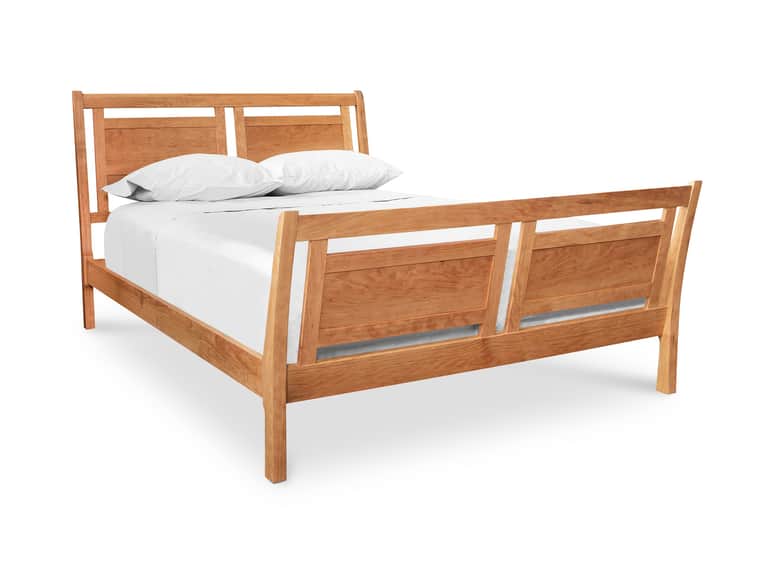
Incline Sleigh Bed

Vermont Furniture Designs

Incline Sleigh Bed

Handcrafted to order in Vermont from solid Cherry, Maple, or Walnut with a natural oil finish, this sleigh bed delivers timeless, durable beauty and a contemporary silhouette that elevates any bedroom.
Horizon Platform Bed

Vermont Furniture Designs

Horizon Platform Bed

Handcrafted from solid wood in Vermont, this platform bed brings timeless warmth with a clean, minimal silhouette. Eco-friendly finish protects beauty, reduces upkeep, and provides a durable, mattress-friendly foundation for years of serene sleep.

Theme