Bedding guide · Mattress construction
Vispring Elite Mattress: A Guide to Its Innerspring Design
The appeal of an innerspring mattress is partly tactile: a composed lift beneath the body, a little spring in response to movement, and a familiar sense of structure. The Vispring Elite belongs in this conversation, but a model name alone cannot tell the whole story. To evaluate its feel, support and suitability for your bed, look beyond the label to the verified construction details, your sleeping preferences and the foundation beneath it.
This guide explains how to assess an innerspring mattress thoughtfully, what to ask about the Vispring Elite, and how to distinguish construction facts from the more personal language of comfort.
What “innerspring” tells you—and what it does not
An innerspring mattress uses a system of metal coils as a central support structure. Above and around that system, manufacturers may add comfort layers, upholstery, padding, or other materials. The result is not one universal feel. Two mattresses can both be described as innerspring and behave quite differently, depending on their coil configuration, the materials surrounding the springs, the mattress’s overall design and the foundation supporting it.
That distinction matters when considering the Vispring Elite. Its place in the innerspring category is a useful starting point, not a complete specification. Exact details—such as coil type, spring count, upholstery materials, firmness options, mattress height and recommended base—should be checked against current manufacturer information for the precise model and size under consideration. Product ranges can change, and details may vary by market or version.
Think of the spring unit as the mattress’s supporting architecture. It contributes to how force is distributed and how the surface responds when someone lies down, changes position or sits near the edge. Comfort layers influence the first impression and the way the body settles into that support. The cover and upholstery also affect the feel at the surface. A well-informed comparison looks at all these elements together rather than treating “innerspring” as a promise of one particular sensation.
In a showroom, terms such as “responsive,” “supportive” or “luxurious” can sound definitive. In practice, they describe impressions that depend on the sleeper. A mattress that feels buoyant to one person may seem too firm to another; a surface that feels gently cushioned during a brief test may behave differently after a full night. The useful question is not simply whether the Elite is an innerspring mattress, but whether its documented construction and in-person feel suit your needs.
How spring design shapes the experience
Coils are designed to compress under load and return toward their original shape when that load is removed. How a mattress manages this movement depends on the spring design and how the components are arranged. Some systems are built from individually responsive springs; others use coil structures that work more collectively. These general distinctions can influence how movement travels across the surface, but they should not be used to infer the Vispring Elite’s exact specification without checking the manufacturer’s current documentation.
Spring count is another detail that can attract attention. It may be relevant when comparing mattresses of the same size and construction, but it is not a standalone measure of quality or comfort. Counts can be presented in different ways, and a larger number does not, by itself, reveal a spring’s shape, gauge, arrangement, durability or the role played by other layers. Treat it as one specification among several—not as a shortcut to a verdict.
Coil arrangement can contribute to motion response. A mattress may feel lively and readily responsive, or more controlled and settled. If you share a bed, consider how noticeable a partner’s movements are to you. Ask how the model performs in this respect and, where possible, test it with another person moving on the mattress. A short, calm showroom visit cannot replicate a night’s sleep, but it can help you notice whether movement feels distracting.
Edge behavior deserves its own test. Sit near the side and observe how much the mattress compresses; then lie near the edge in your usual position. Support at the perimeter can be affected by the spring unit, construction details and the base beneath it. Do not assume that every innerspring mattress has the same edge feel, or that a product description’s broad category settles the question.
Finally, consider the comfort layers. The spring system may provide the underlying structure, while the materials above it determine how directly or softly that structure is felt. A substantial comfort layer can change the initial sensation; a thinner or firmer surface may make the spring response more apparent. Because materials and layering affect both comfort and overall height, request a complete specification rather than relying on a short category description.
Support is personal, not a single firmness rating
“Support” is often used as if it were one measurable feeling. In everyday use, it is a combination of how a mattress holds the body, how pressure is distributed and whether the sleeper finds the position comfortable over time. Firmness is related, but it is not a synonym. One person may describe a surface as firm while another experiences the same mattress as medium, because bodies, sleep habits and expectations differ.
A useful starting point is your usual sleeping position. Side sleepers commonly pay close attention to how the shoulder and hip feel against the surface. Back sleepers may focus on whether the body feels evenly supported without an uncomfortable gap or a sense of excessive sinking. Stomach sleepers often prefer to assess whether the mattress feels stable and comfortable through the torso. These are practical points for personal testing, not medical rules or guarantees about what a person should choose.
Body shape, weight distribution and sensitivity to pressure can also influence the experience. So can temperature preference, bedding, and whether you sleep alone or with a partner. A mattress cannot be judged accurately by a firmness label alone. When evaluating the Vispring Elite, try to spend enough time lying in your normal position, notice how easy it is to turn, and consider whether the surface feels comfortable at the points where you are most sensitive.
Comfort and health claims deserve careful interpretation. A mattress can be part of a comfortable sleep environment, but a product description should not be treated as a promise to prevent, diagnose or treat a health condition. If you are choosing a mattress around a medical concern, discuss relevant needs with a qualified clinician and check the manufacturer’s guidance. The best practical test remains a careful assessment of personal comfort and product compatibility.
A considered way to test the Vispring Elite
A mattress decision can be made with both discernment and patience. Start by confirming that the product in front of you is the exact model and version you intend to buy. Ask for the current specification sheet, including the listed materials, construction, available firmness choices, dimensions and care guidance. If a retailer’s description and the manufacturer’s information differ, seek clarification before placing an order.
During a trial, lie down in your everyday sleep position rather than testing only while sitting or reclining. Give yourself time to notice the surface after the first moment of contact. Then change positions. Does the mattress feel responsive enough for you to turn comfortably? Do you notice pressure at the shoulder, hip or another area? Does your body feel settled, or do you find yourself adjusting repeatedly? These observations are more useful than trying to select a mattress by reputation alone.
If you share the bed, test it together. Each sleeper should try their preferred position and pay attention to movement transfer, available space and the feel along their side. A split configuration, if offered for the chosen product, should be considered only after confirming the precise options and any differences in construction. Do not assume that a model comes in a particular configuration unless the manufacturer or retailer confirms it.
Ask about the trial period and the terms that govern it. Clarify whether returns or exchanges are available, whether there are collection or restocking costs, what condition the mattress must be in, and whether the trial begins on delivery or another date. These policies can materially affect the decision. Warranty coverage is a separate matter: it generally has its own terms and should not be confused with a comfort guarantee or trial period.
When possible, compare the Vispring Elite with alternatives that are also appropriate for your base and preferences. Testing several mattresses in succession can make distinctions clearer, especially when you note what you felt rather than relying on memory. A short list of observations—surface feel, ease of movement, edge behavior and partner disturbance—can keep the comparison grounded in your actual experience.
The foundation beneath the mattress matters
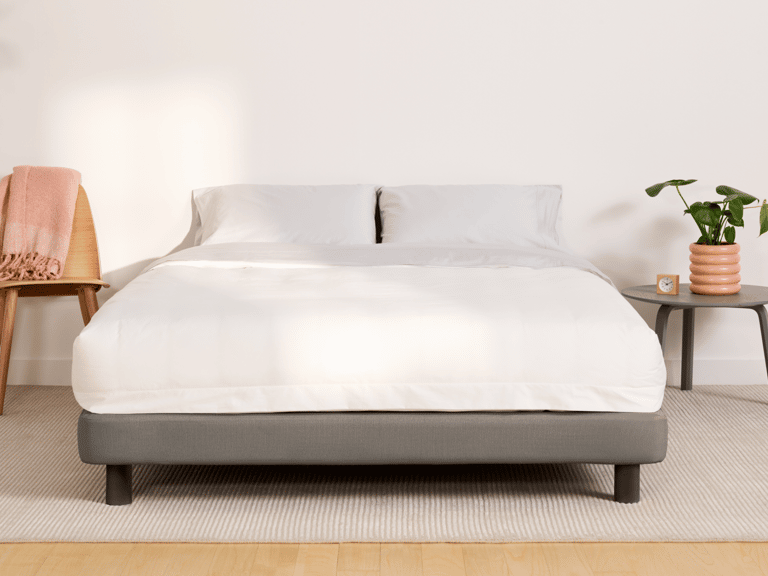
A mattress and its base function as a system. Even a thoughtfully designed innerspring mattress may not perform as intended on a surface that is unsuitable, uneven or incompatible with the manufacturer’s requirements. Before choosing the Vispring Elite, check the current guidance on acceptable foundations, including any limits on slat spacing, platform support, frame type or other base characteristics.
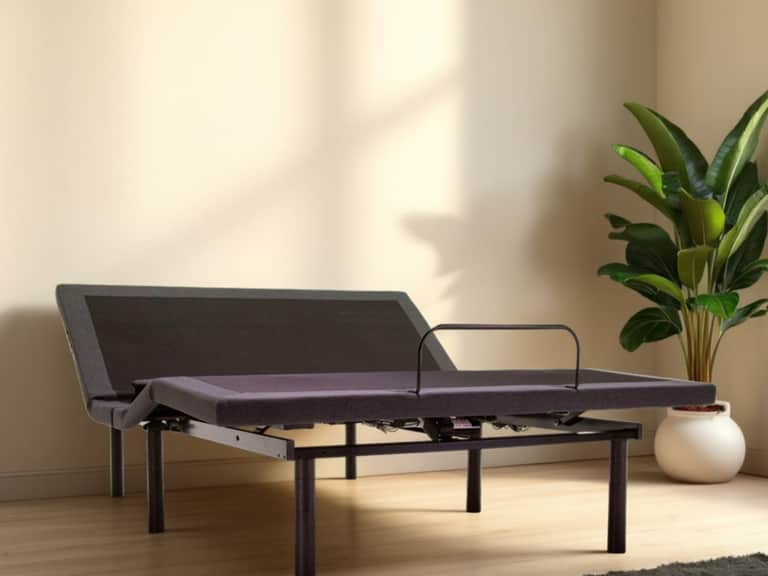
Do not assume that every mattress works with every adjustable base. Innerspring construction can differ, and the ability of a mattress to flex repeatedly depends on its design and the manufacturer’s stated compatibility. If you plan to use an adjustable bed, obtain confirmation for the exact mattress model and base combination. Also check whether the mattress’s dimensions and weight are suitable for the base and whether using it affects warranty coverage.
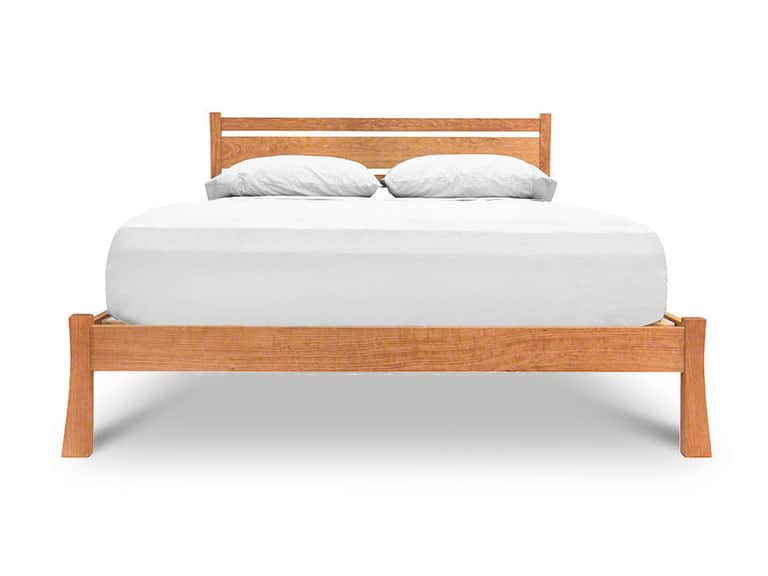
For a fixed frame, examine the support surface carefully. Slats should be intact and properly spaced according to the mattress instructions; the frame should sit level and be designed for the mattress size and expected use. A base that bows, rocks or has damaged components can affect the stability of the sleep surface. If an existing foundation is older, measure and inspect it rather than assuming that it remains suitable.
Height is part of the practical equation. Mattress thickness combined with the base and frame determines the height of the finished bed. Consider how easy it is for you to get in and out, whether bedding will fit, and whether a headboard or other furniture remains at a useful position. A new mattress can alter the proportions and feel of a familiar bedroom even when its footprint stays the same.
Materials, care and longevity
For a clear view of what the Vispring Elite contains, look for a materials breakdown from the manufacturer. Confirm the listed components and ask what is meant by any broad descriptions such as natural, premium or breathable. Such terms may describe an attribute or marketing category, but they do not substitute for a specific material list. If you have allergies or sensitivities, review the information carefully and ask the manufacturer or retailer about relevant details.
Care instructions are equally practical. Check whether the mattress should be rotated, whether it may be turned over, and what cleaning methods are permitted. These instructions vary by construction. Never assume a mattress is designed to be flipped simply because older mattresses often were, or that a particular cleaning product is safe for its cover. Follow the current care guidance supplied with the exact model.
A breathable protector can help shield a mattress from everyday spills, dust and wear, but it should fit securely and be compatible with the mattress materials. Protectors can also change the surface feel slightly. If you are evaluating comfort, keep the intended bedding and protector in mind, especially when you have already chosen what you plan to use at home.
Durability is not determined by one feature alone. Materials, construction, care, the foundation and patterns of use can all matter. A warranty can explain the manufacturer’s coverage for defined defects, but it does not necessarily predict how long the mattress will feel comfortable to an individual sleeper. Read its terms closely, including any requirements about the supporting base, proof of purchase and acceptable use.
Questions worth asking before you choose
A measured purchase begins with specific questions. The answers should be clear enough to compare with other mattresses and practical enough to help you plan delivery, setup and care.
- What is the current construction specification for the Vispring Elite in the size and firmness I am considering?
- Which materials are used in the spring unit, comfort layers and cover, according to the manufacturer’s documentation?
- What firmness options are available, and how are they described for this specific model?
- Which foundations or bed frames are approved, and are there any restrictions on slats or adjustable bases?
- What are the mattress dimensions, finished height and delivery requirements?
- What care is recommended, including whether the mattress should be rotated or turned?
- What are the exact terms of the comfort trial, return policy and warranty?
- Does the specification or policy vary by market, retailer, model year or size?
These questions help separate three things that are often blurred together: what the mattress is made of, how it feels to you, and what conditions apply to owning it. Each deserves its own answer. A compelling showroom impression is important, but it is only one part of a considered decision.
How to compare it with other innerspring mattresses
Comparison works best when you hold the setting as steady as possible. Test mattresses on a suitable, similar type of foundation where you can. Wear comfortable clothing, use the same sleep position and give each option a comparable amount of time. If the showroom setup differs significantly from your bed at home, take that into account when interpreting what you feel.
Record details in plain language. Instead of writing “better,” note that one surface felt more cushioned at the shoulder, another responded more quickly when you turned, or a third seemed steadier at the edge. Your notes need not be technical. Their value lies in capturing immediate impressions before they blur together.
Compare specifications carefully, but avoid treating a single number as a ranking. Coil counts, thickness and firmness labels can be useful only when you understand how they are defined and what other construction details accompany them. A meaningful comparison asks whether the complete design suits your preferences and whether the manufacturer’s stated compatibility matches your bed setup.
Also consider the full ownership experience: delivery access, setup, removal of an old mattress, trial conditions, care and warranty. A beautifully composed bed is not just an object in a catalogue; it is something you will live with each night. Practical terms may influence satisfaction as much as a subtle difference in surface feel.
The bottom line on the Vispring Elite
The Vispring Elite can be assessed as an innerspring mattress by looking at the structure beneath its surface, the materials that shape its comfort and the way its support feels to you. The category offers a useful framework: springs respond to load, comfort layers modify the surface experience, and the bed base forms part of the overall system. It does not, on its own, establish a precise firmness, a particular material composition or a guaranteed result.
For that reason, the most dependable approach is both tactile and exacting. Confirm the current manufacturer specifications for the precise model and size. Test the mattress in your normal sleeping positions. Consider pressure, movement, edge feel and partner disturbance. Then verify that your foundation is suitable and read the trial, care and warranty terms before committing.
In the end, a mattress is an intimate piece of design: engineered to support, yet experienced through the singular language of the body. A careful look at construction can sharpen your judgment, but comfort remains personal. The right choice is the one whose documented details, practical compatibility and lived-in feel align—not merely the one with the most persuasive description.
Frequently asked questions
Is the Vispring Elite an innerspring mattress?
The model is considered here within the innerspring mattress category. For exact spring type, materials and construction, consult the current manufacturer specification for the specific version and size you are evaluating.
Does an innerspring design automatically feel firm?
No. Feel depends on the complete construction, including the spring system and comfort layers, as well as the sleeper’s body and preferences. Firmness labels are useful reference points, not universal measurements of personal comfort.
Can the Vispring Elite be used on an adjustable bed?
Do not assume compatibility from the innerspring category alone. Check the manufacturer’s guidance for the exact mattress and adjustable base combination before purchasing or setting it up.
What should I prioritize when testing it?
Lie in your usual sleep position and assess comfort, pressure, ease of movement and edge feel. If you share the bed, test together and notice how movement feels. Then verify specifications, base compatibility, care guidance and purchase terms.